21 Stoic Journaling Prompts That Actually Change How You Think in 2024
21 Stoic Journaling Prompts That Actually Change How You Think in 2024 For more on this topic, explore our guide on [Stoic philosophy for modern life](/blog/stoic-philosophy-for-modern-life).
Stoic journaling prompts are practical mental exercises derived from ancient Stoic philosophy that guide individuals to reflect on their thoughts, emotions, and actions, fostering resilience, self-awareness, and inner peace. By regularly engaging with these prompts, practitioners learn to distinguish between what they can control and what they cannot, cultivate virtue, and develop a more rational and tranquil approach to life's challenges. This practice is a cornerstone of personal growth, offering a structured path to wisdom and a profound shift in one's perspective on existence.
Table of Contents
- The Enduring Power of Stoic Journaling
- Understanding the Core Tenets of Stoicism for Journaling
- Preparing Your Mind and Space for Effective Stoic Journaling
- Morning Rituals: Setting Your Day with Stoic Intent
- Evening Reflections: Cultivating Wisdom and Resilience
- Advanced Prompts for Deeper Stoic Exploration
- Integrating Stoic Journaling into Your Daily Life
- [Frequently Asked Questions](# frequently-asked-questions)
- Conclusion: Your Path to a Transformed Mind
The Enduring Power of Stoic Journaling
In a world brimming with distractions, anxiety, and an incessant demand for our attention, finding a stable anchor for our minds has become more crucial than ever. Ancient philosophies, particularly Stoicism, offer timeless wisdom that remains profoundly relevant today. At the heart of Stoic practice lies a powerful, yet simple, tool: journaling. This isn't merely about recording daily events; it's a deliberate, introspective exercise designed to reshape your internal landscape, strengthen your character, and cultivate a profound sense of tranquility. The 21 Stoic journaling prompts we'll explore are not just questions; they are invitations to a deeper understanding of yourself and the world around you, promising to actually change how you think.
For centuries, Stoic philosophers like Marcus Aurelius, Seneca, and Epictetus used journaling as a primary method for self-improvement. Their writings, often personal reflections and exercises, serve as blueprints for navigating life's inevitable challenges with grace and reason. They understood that true freedom comes not from external circumstances, but from our internal responses to them. Journaling, in the Stoic tradition, becomes a mental gymnasium where you train your mind to be more resilient, more virtuous, and more aligned with nature's flow. It's a daily conversation with your inner sage, guiding you towards clarity and purpose. By engaging with these prompts, you're not just adopting a practice; you're stepping onto a well-trodden path of wisdom, proven effective across millennia.
This article will guide you through a structured approach to Stoic journaling, providing specific prompts categorized for morning and evening reflections, as well as advanced inquiries for deeper self-exploration. We'll delve into the core principles of Stoicism that underpin these prompts, ensuring you understand the "why" behind each question. Whether you're new to Stoicism or a seasoned practitioner, these prompts offer a fresh perspective and practical tools to integrate this powerful philosophy into your daily life, fostering genuine personal growth and a more profound sense of well-being.
Understanding the Core Tenets of Stoicism for Journaling
Before diving into the prompts, it's essential to grasp the foundational principles of Stoicism. These tenets provide the philosophical bedrock for why and how Stoic journaling works to transform your thinking. Without this understanding, the prompts might feel like mere self-help questions; with it, they become powerful tools for cultivating wisdom and resilience.
The Dichotomy of Control: Focusing on What You Can Influence
One of the most fundamental Stoic principles is the dichotomy of control. This concept, championed by Epictetus, teaches us to distinguish between things within our control and things outside of it. Our opinions, impulses, desires, and aversions are within our control. Our body, possessions, reputation, and external events are not. The Stoics believed that much of human suffering stems from desiring what is not in our control or being distressed by what is beyond our influence. Stoic journaling helps you identify these distinctions, guiding your mental energy towards what is productive and away from what is futile. By consistently reflecting on this, you learn to let go of anxiety over external outcomes and focus on your internal responses. This shift in perspective is incredibly liberating, allowing you to cultivate a profound sense of inner peace regardless of external circumstances. It's about recognizing that while you cannot control the wind, you can adjust your sails.
The Four Cardinal Virtues: Your Moral Compass
Stoicism is a virtue ethic, meaning it emphasizes the development of character. The four cardinal virtues are Wisdom, Courage, Justice, and Temperance. These aren't abstract ideals but practical guides for daily living.
- Wisdom (Prudence): The ability to discern what is good, bad, or indifferent. It's about sound judgment and understanding.
- Courage (Fortitude): Not just physical bravery, but moral courage to act rightly, face fears, and endure hardship.
- Justice: Treating others fairly, with kindness, and acting for the common good. It's about our duties to humanity.
- Temperance (Self-Control): Moderation in all things, self-discipline, and control over desires and impulses. Stoic journaling often involves reflecting on how you've embodied or failed to embody these virtues, and how you can better align your actions with them in the future. This self-assessment is crucial for continuous personal growth and becoming the best version of yourself. It's a constant striving, not for perfection, but for progress in character. For more on this, consider exploring Stoic Philosophy for Modern Life: 5 Principles That Actually Work.
Memento Mori: Reflecting on Mortality
"Memento Mori" translates to "remember you must die." This might sound morbid, but for the Stoics, it was a powerful tool for living a more meaningful life. By contemplating our own mortality, we gain perspective on what truly matters. It encourages us to appreciate the present moment, to act with urgency on our values, and to let go of trivial worries. It reminds us that time is finite.
📚 Recommended Reading
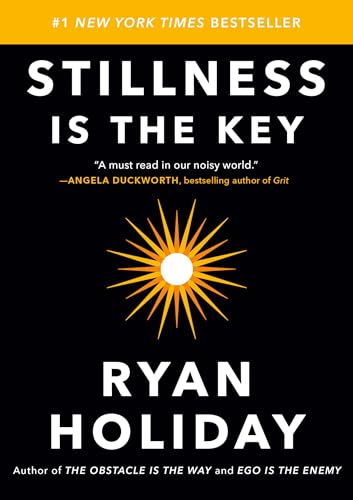
Stillness Is the KeyRyan Holiday · Mindfulness
Ancient wisdom on finding stillness and clarity in a noisy world — essential reading for any growth journey.
View on Amazon $14–$20Recommended Reading — Amazon Affiliate


As an Amazon Associate, ArborSage earns from qualifying purchases.